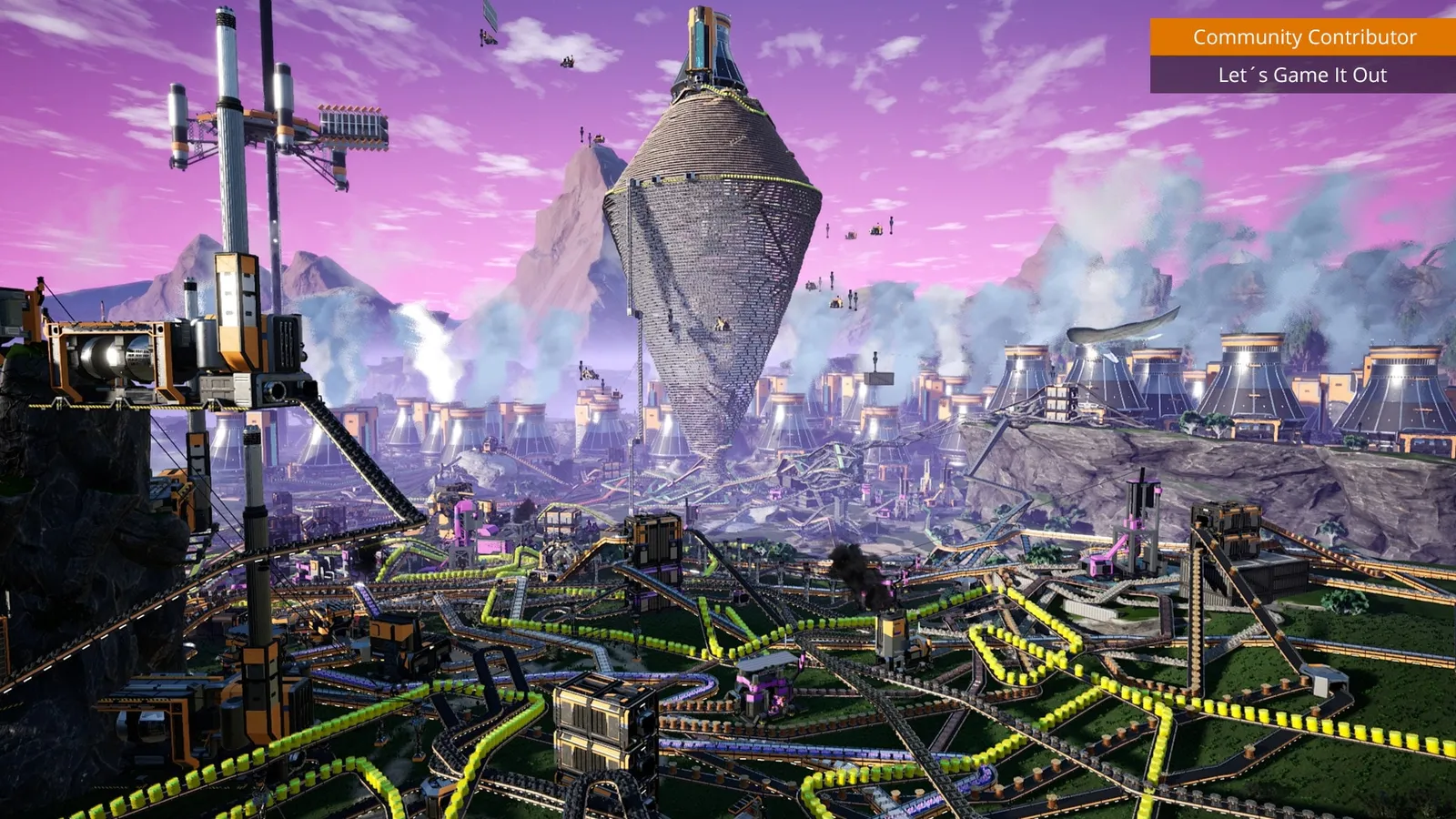
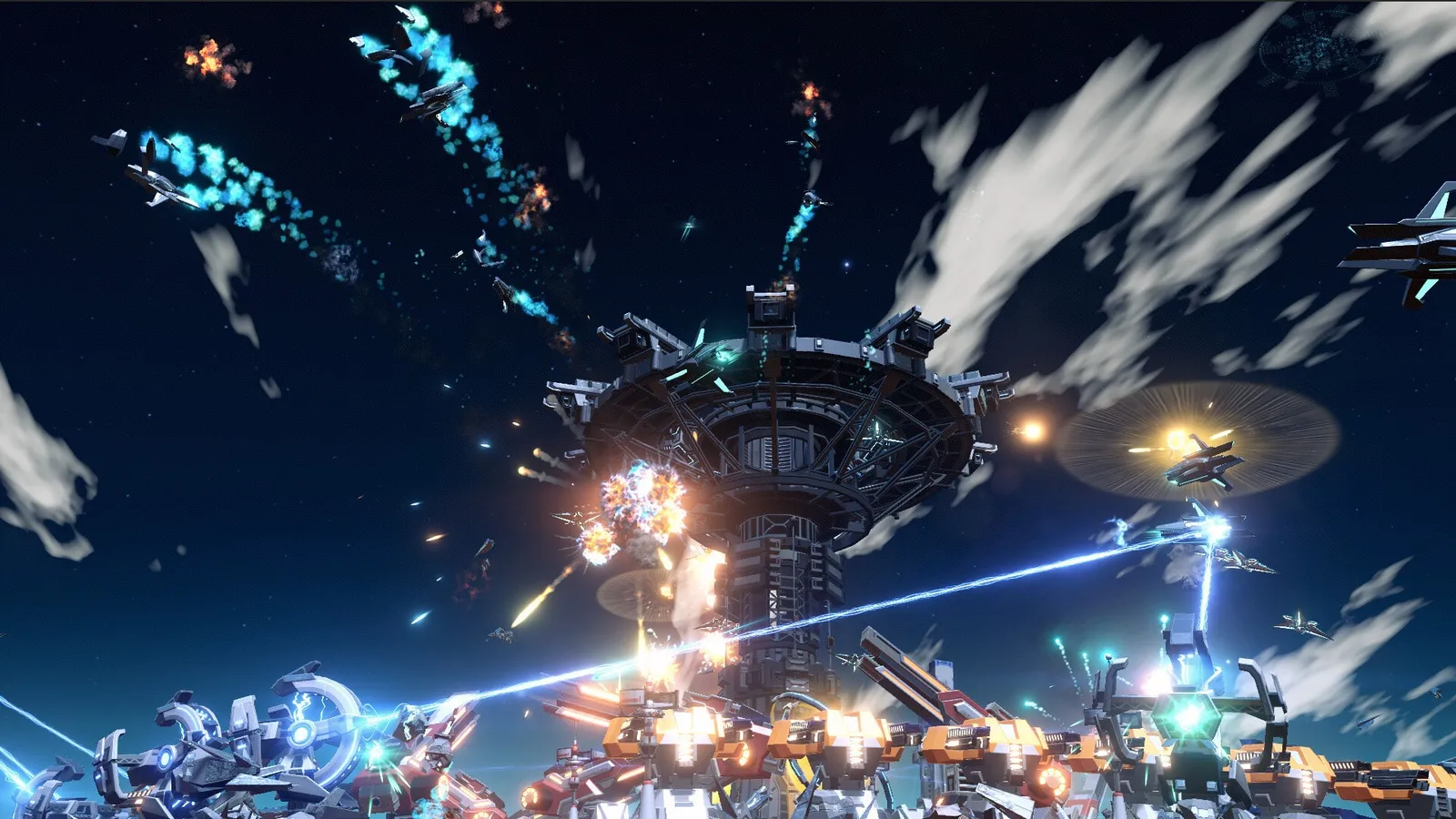
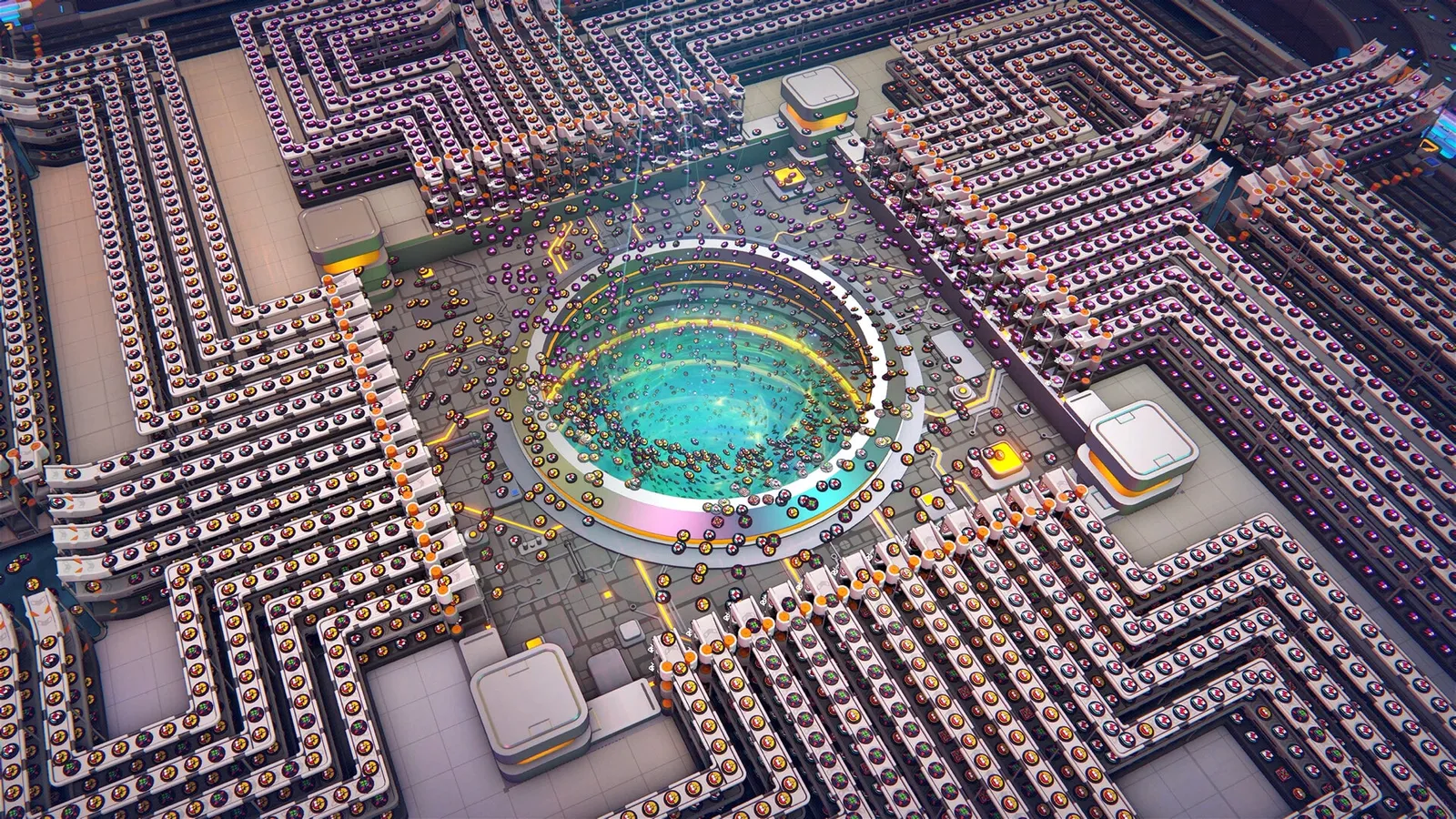
Factorio remains the cleanest argument for the whole automation genre: every awkward manual task can become a system, and every system eventually exposes the next bottleneck. Our desk scores it 100/100 - an essential pick.
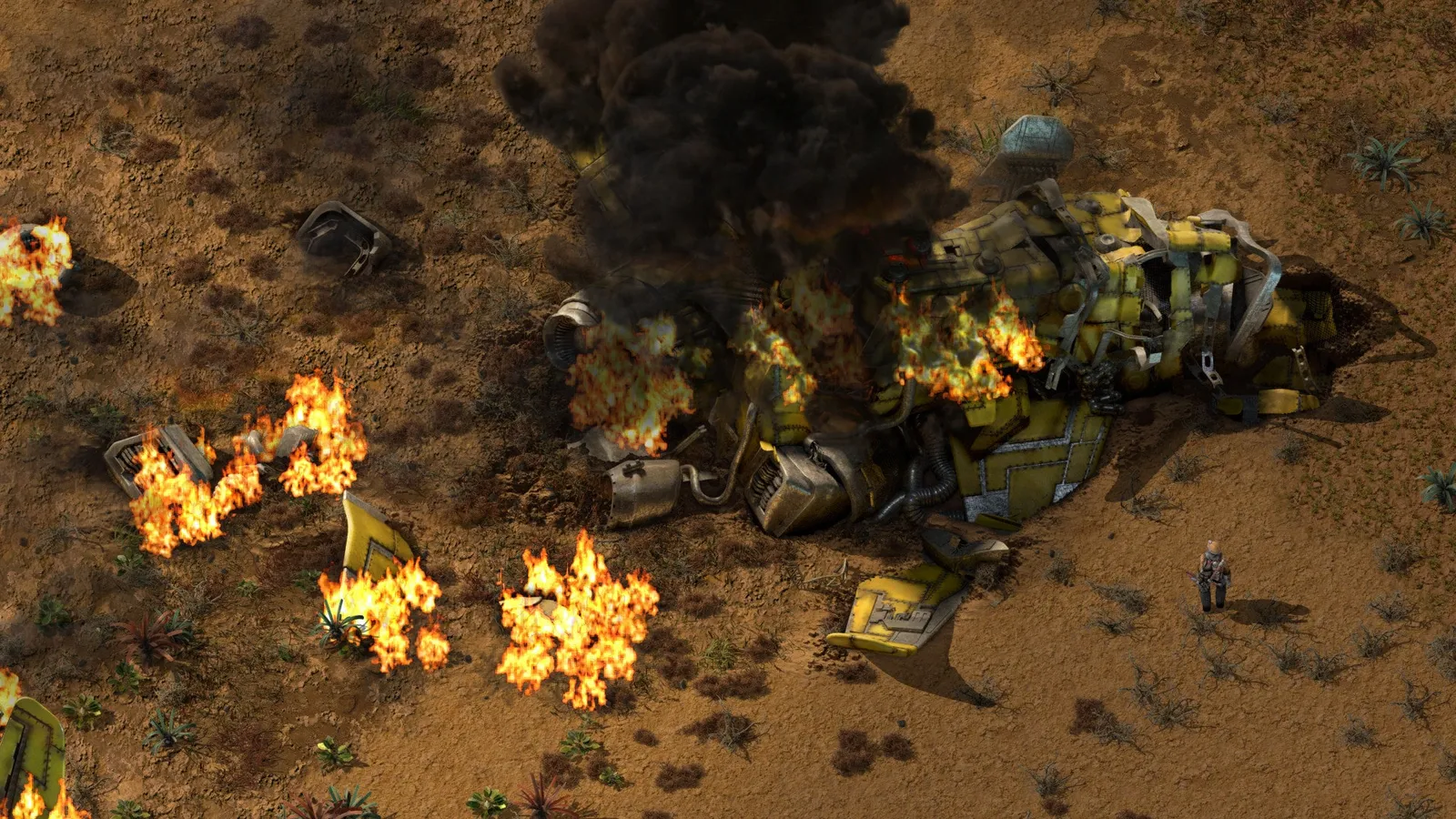
What you actually do
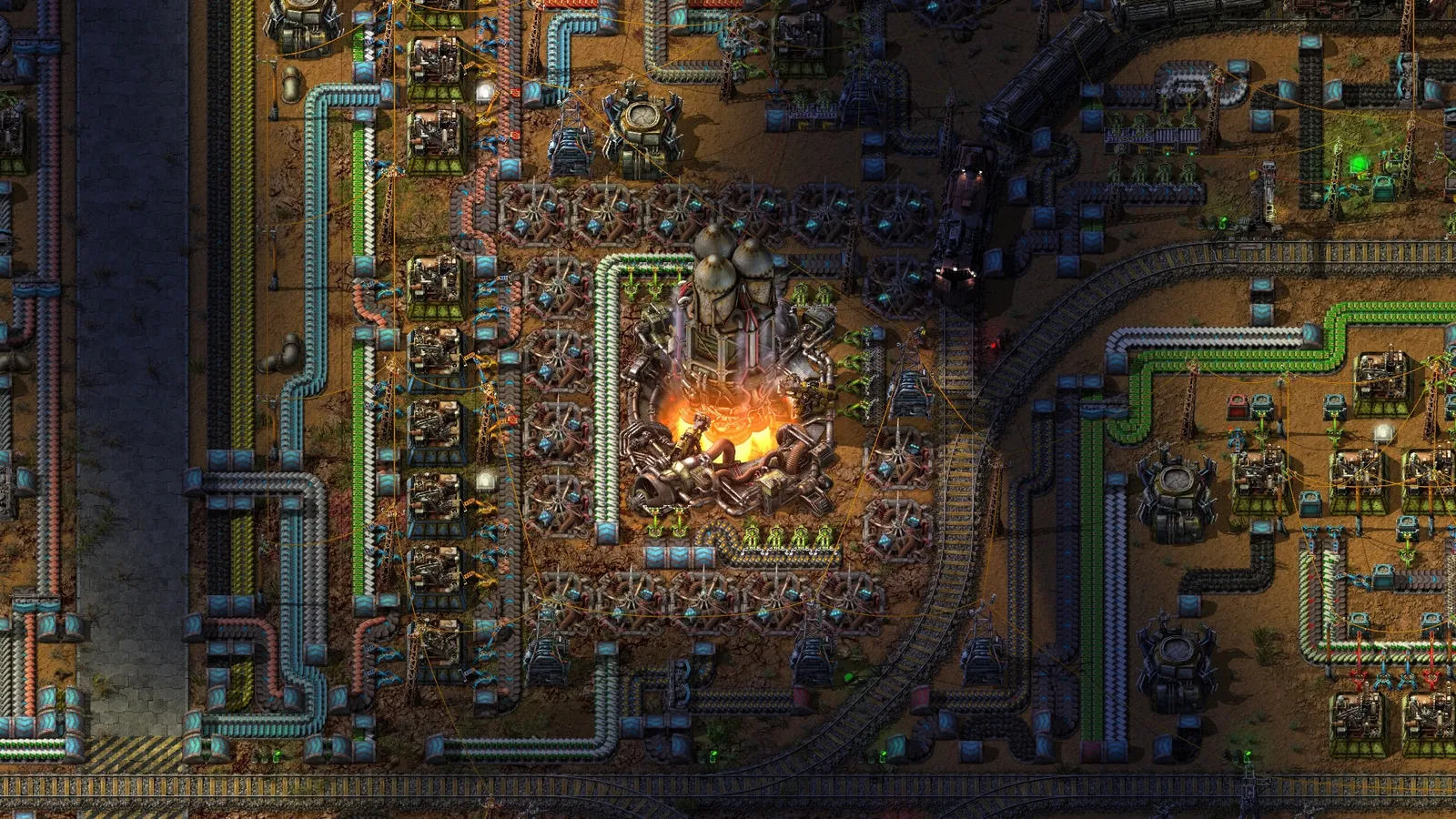
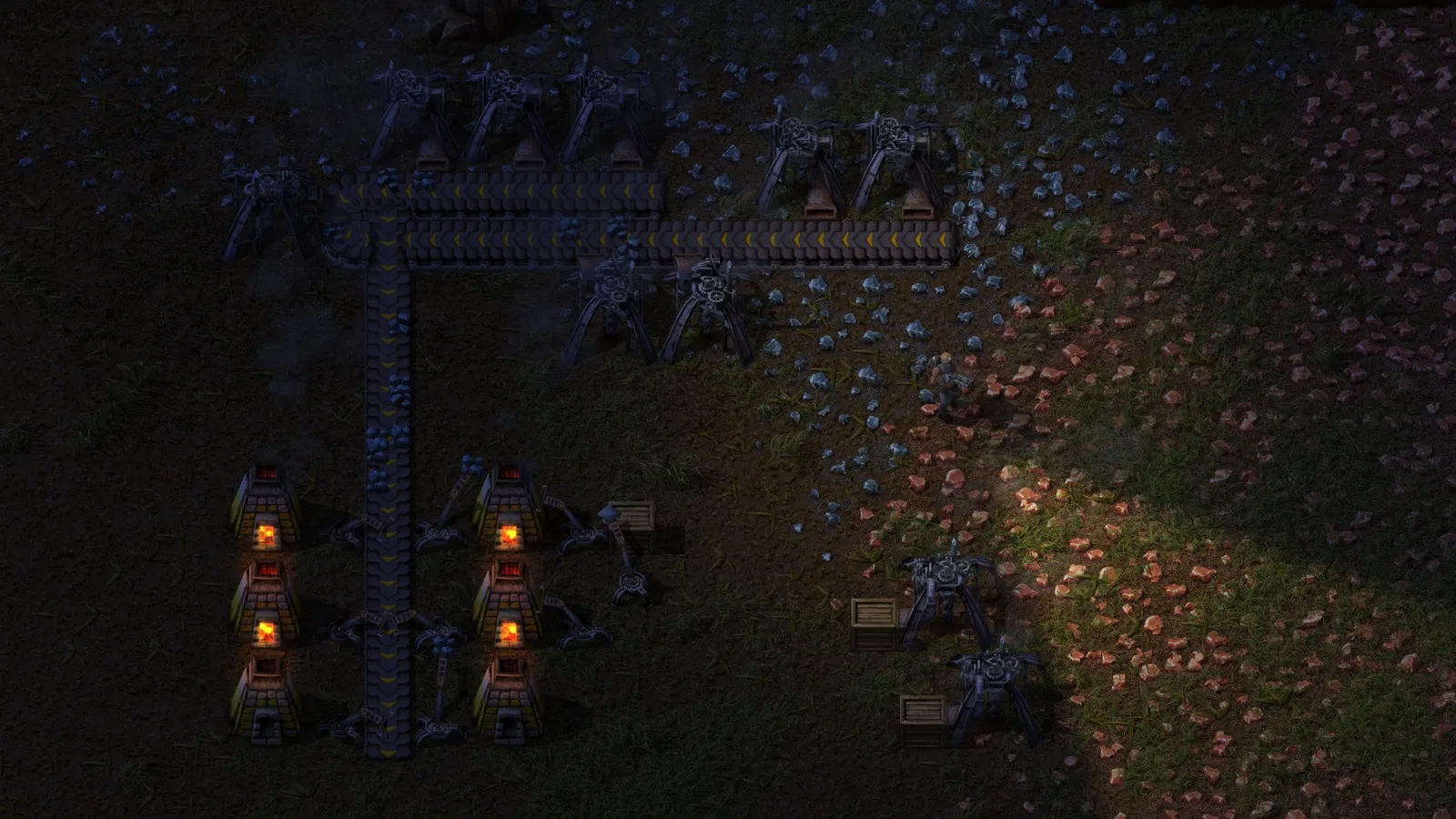
The early hours are deliberately plain - ore, drills, belts, inserters, power - but the design keeps unfolding without losing readability. Science packs turn progress into a production audit, oil forces a new kind of planning, trains make distance matter, and robots change how you think about construction at scale.
What makes it exceptional is the feedback loop. When something stalls, Factorio rarely hides the cause; the factory itself shows you where throughput died, where a belt is starved, or where a train block needs a rethink. That clarity makes rebuilding feel like problem solving rather than punishment.
It can be severe, especially for players who dislike pressure, spreadsheets, or defensive logistics. But for anyone who enjoys watching a messy idea become a reliable machine, Factorio is still the benchmark.
Where it shines
A few things Factorio gets right, and that keep players coming back:
+ In its favor
- Genre-defining — universally recommended as a starting point
- Active modding community extends the game
- "Automation" is one of the genre's most rewarding loops
– Worth knowing
- Survival pressure can pull focus from factory building
- Late-game factories can test hardware performance
Who it's for
Best for players who want depth, precision, mods, and long-term optimization. It is less ideal if you mainly want cozy building or a guided story.
The verdict
A genre-defining factory game that earns its perfect score through systems that stay legible even when the factory becomes enormous.
Factorio sits in the front rank of the genre; if the loop above sounds like your kind of thing, it's an easy recommendation.