The best factory games in 2026 are not all trying to be the same machine. Factorio is still the deepest reference point, Satisfactory owns first-person scale, Dyson Sphere Program turns production into a star-system problem, and Shapez 2 makes the whole genre feel clean and readable.
This list focuses specifically on factory games: production chains, machines, belts, logistics, throughput, bottlenecks, and the pleasure of replacing manual work with a system that runs by itself. For the wider automation ranking, see The Best Automation Games of 2026.
Quick picks
| Best for | Game | Factory flavor |
|---|---|---|
| Overall depth | Factorio | Top-down factory, trains, circuits, mods, megabases. |
| First-person factories | Satisfactory | 3D buildings, vertical layouts, co-op, exploration. |
| Interplanetary scale | Dyson Sphere Program | Planetary production and interstellar logistics. |
| Pure belt logic | Shapez 2 | Abstract shapes, clean layouts, low friction rebuilding. |
| Factory plus survival defense | Mindustry | Production lines feeding turrets and units. |
| Heavy industry | Captain of Industry | Mining, fuel, workers, maintenance, waste, ports. |
1. Factorio
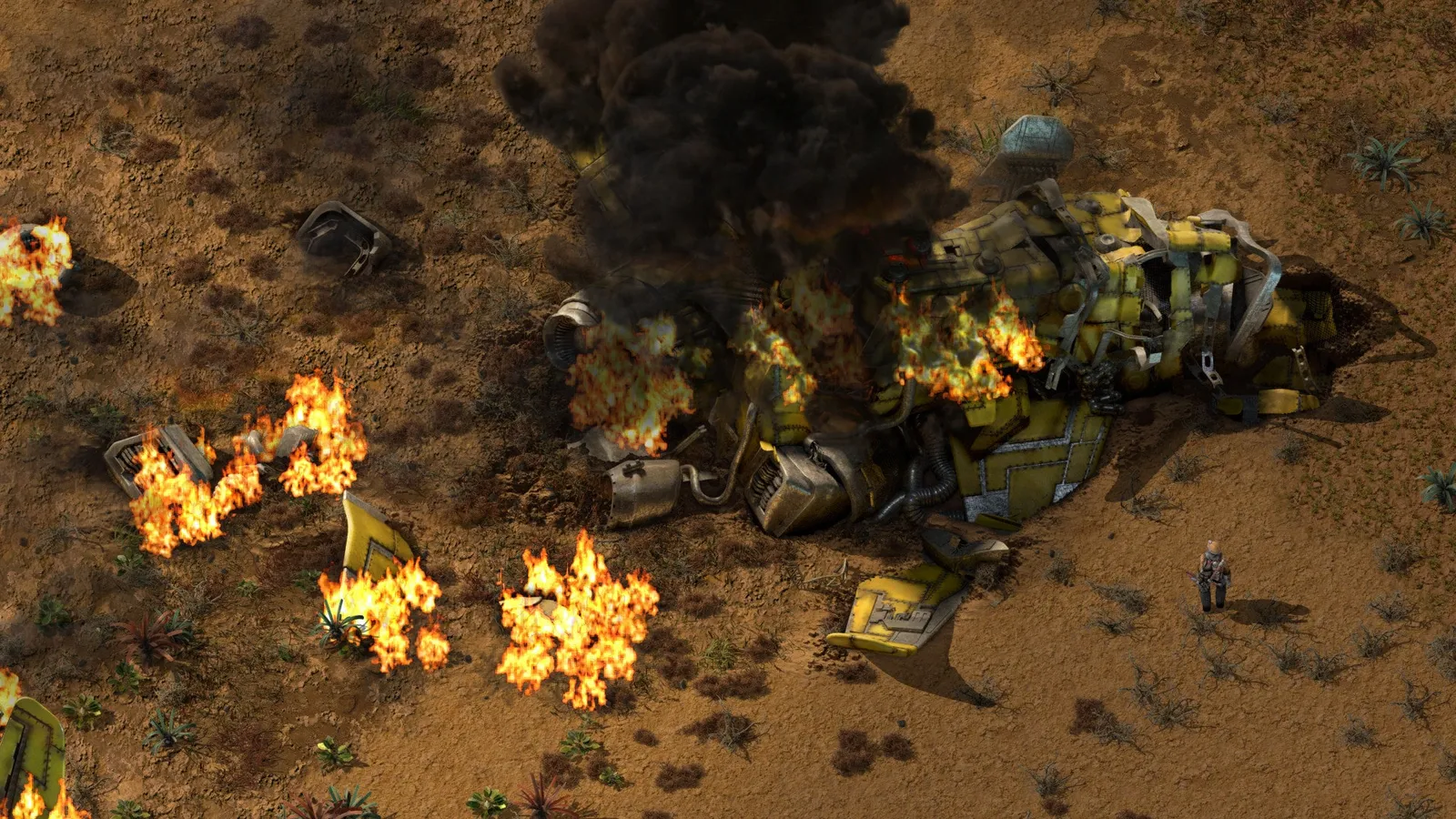
Factorio remains the best factory game because it understands escalation better than almost anything else. The first miner solves one problem. The first belt creates another. The first train fixes distance but introduces signals, blocks, throughput, stations, and traffic. Every answer becomes a new design constraint.
The late game is where it pulls away: robots, circuit networks, nuclear power, modules, beacons, blueprints, rail grids, and mods that can reshape the whole experience. It is demanding, but the reward is extraordinary clarity. If a factory fails, Factorio usually gives you enough information to understand why.
2. Satisfactory
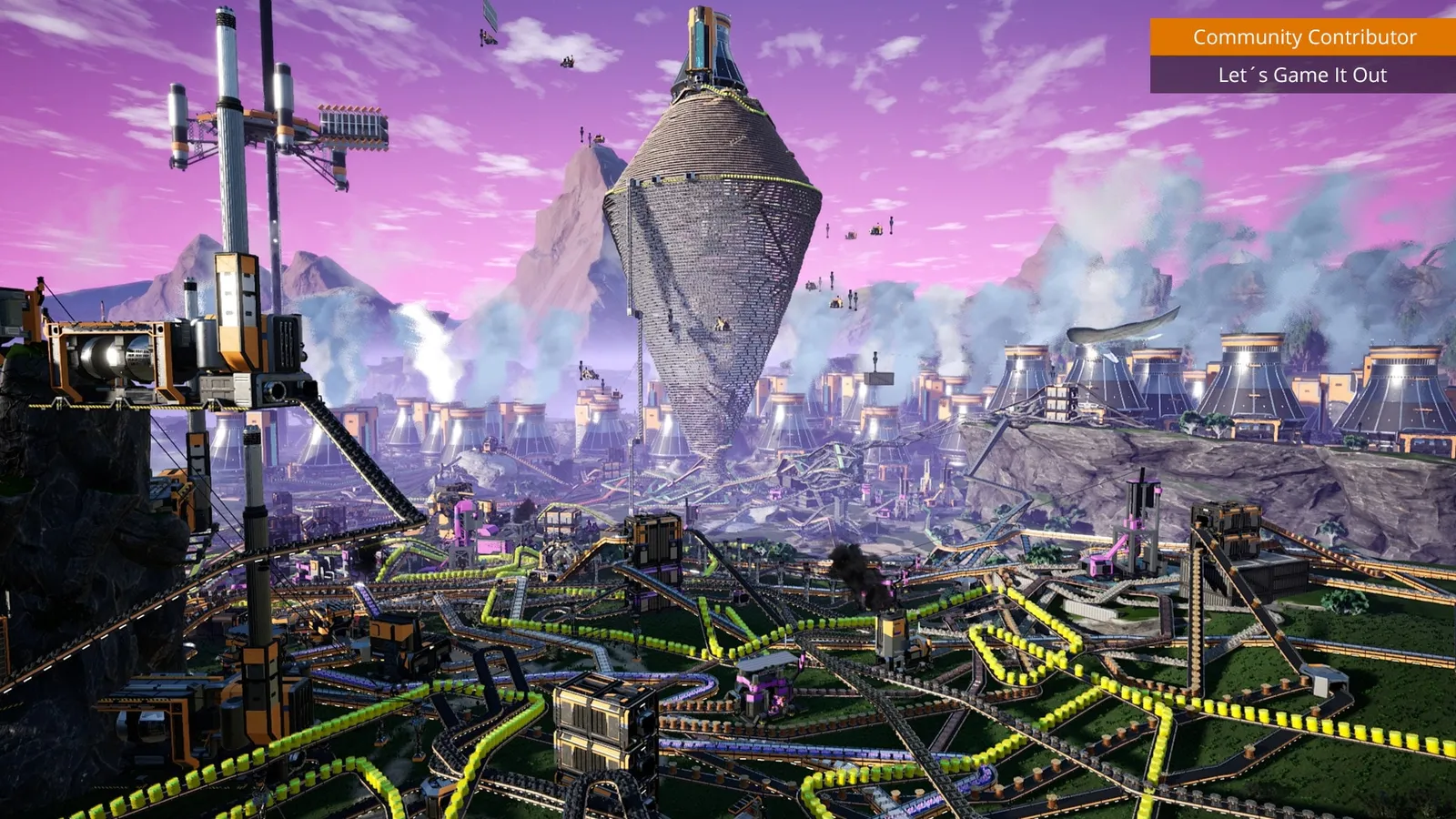
Satisfactory is the factory game for players who want scale they can walk through. Conveyor belts climb cliffs, pipes snake between production floors, trains link distant outposts, and a messy starter base can become a vertical industrial district visible from across the map.
It is also one of the best co-op factory games. Dividing work feels natural in first person: one player expands power, another handles steel, another explores for hard drives, and someone quietly fixes the spaghetti everyone pretends not to see.
3. Dyson Sphere Program
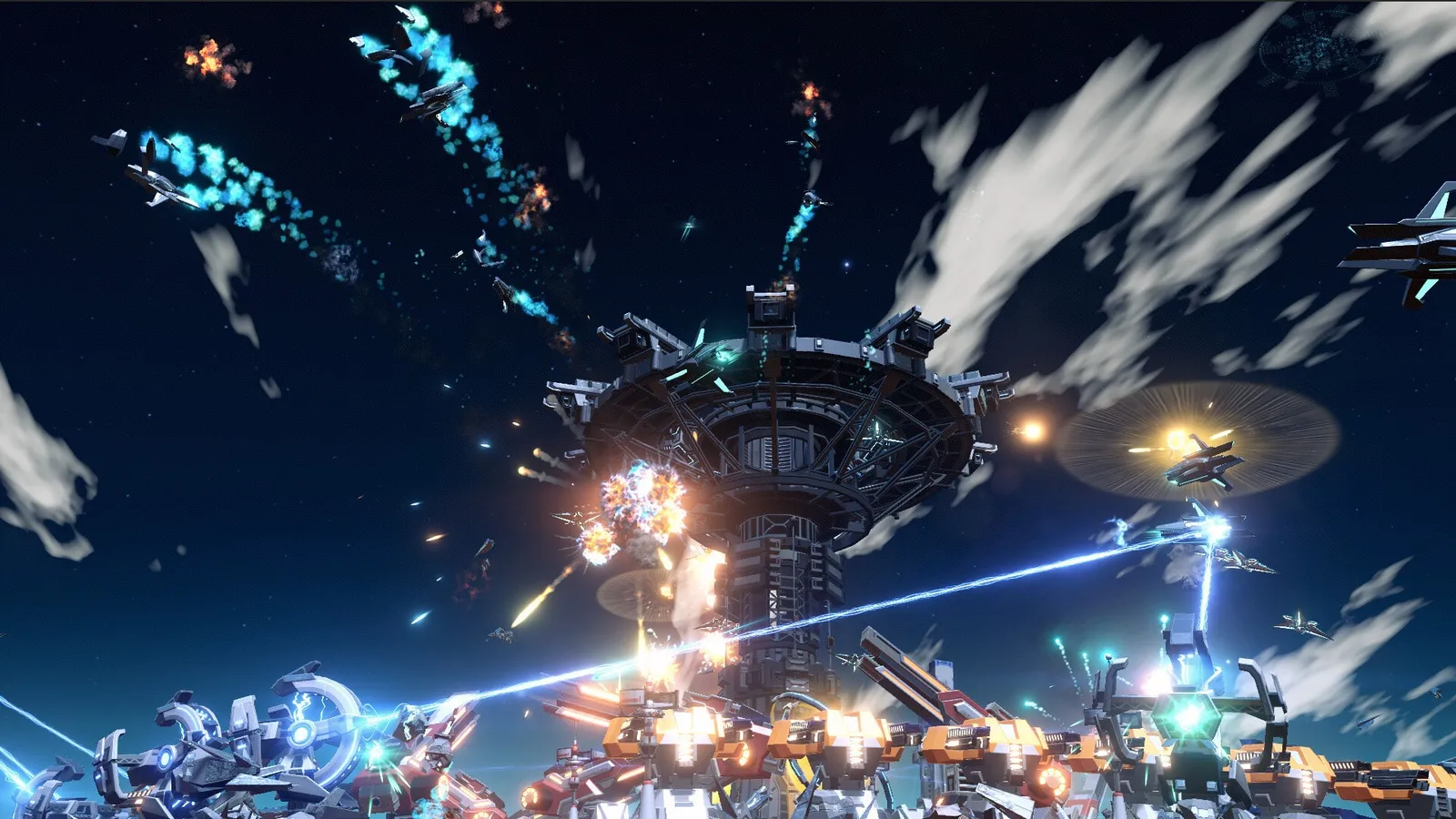
Dyson Sphere Program starts like a familiar factory builder and then widens the frame until one planet is not enough. You automate the basics, unlock logistics stations, ship resources between planets, and eventually build toward a megastructure around a star.
The appeal is not just size. It is specialization. One world can become the silicon source, another can handle titanium, another can feed hydrogen processing, and the whole network becomes one giant supply chain. For players who want a clear long-term purpose, this is one of the strongest choices.
4. Shapez 2
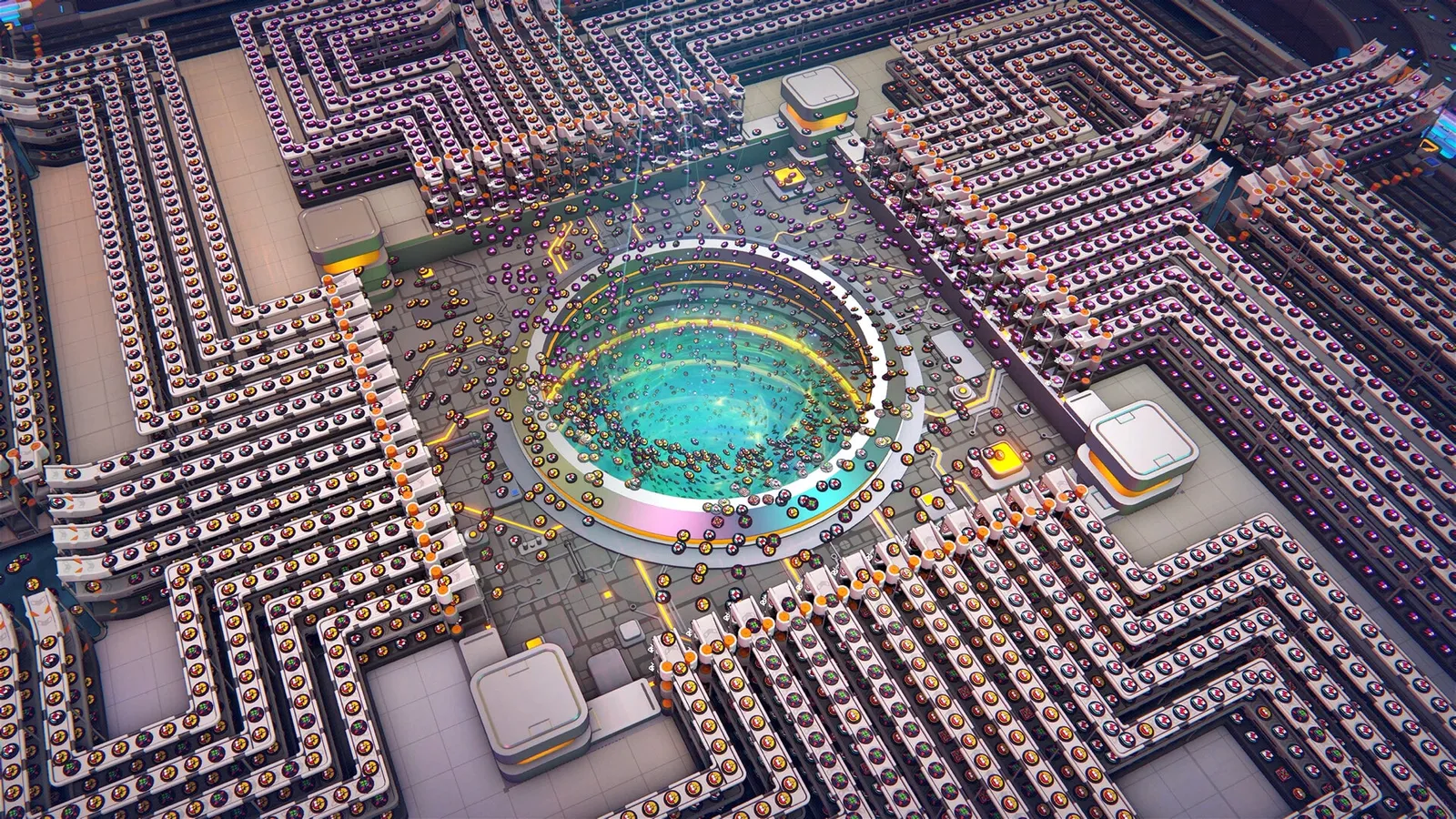
Shapez 2 proves that a factory game does not need ore, enemies, or crafting menus to be deep. Its raw material is geometry. You cut shapes, rotate them, paint them, stack them, route them, and rebuild layouts as recipes become more demanding.
Because buildings are easy to place and rebuilding is low-friction, Shapez 2 is one of the best factory games for learning layout discipline. It rewards clean modules and readable flow, but it rarely punishes experimentation.
5. Mindustry
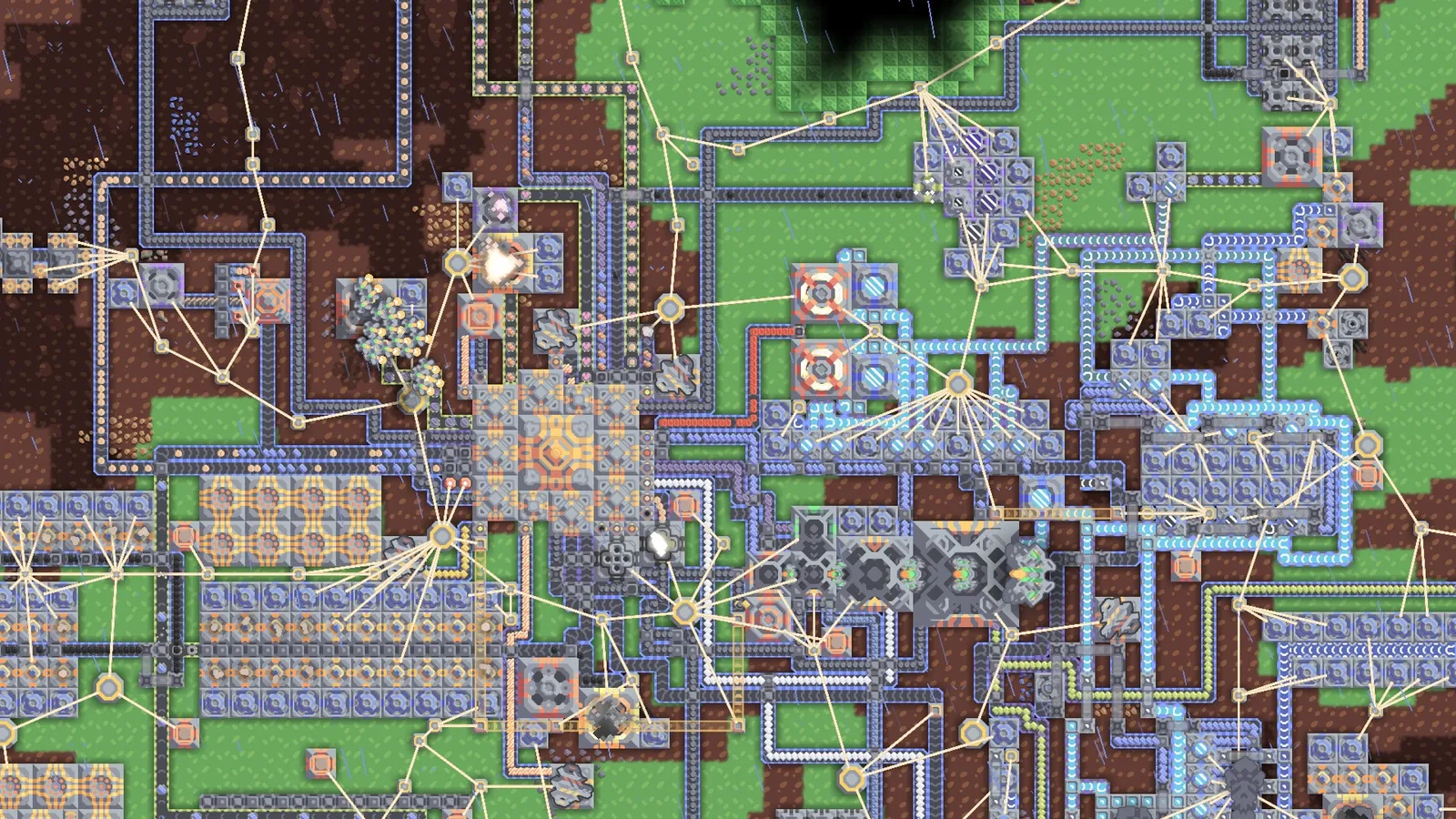
Mindustry adds urgency. Production lines are not only there to unlock the next science tier; they keep your defenses alive. Copper, lead, graphite, silicon, power, ammo, liquids, walls, units, and turrets all connect under pressure.
That makes it a brilliant pick for factory players who want combat to matter. A bad route does not merely slow progress. It can leave a turret starved when the next wave arrives.
6. Captain of Industry
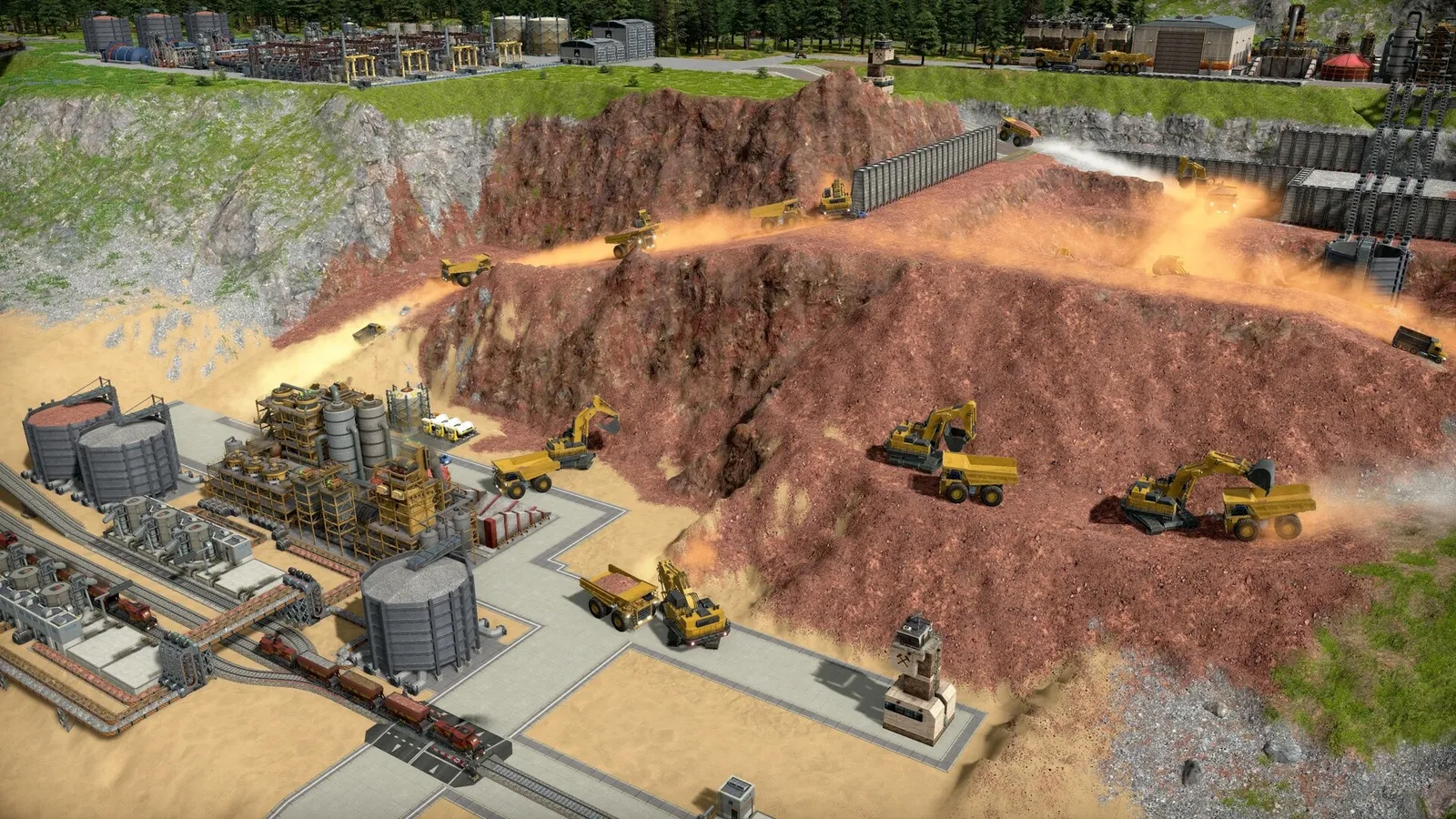
Captain of Industry is the best factory game for players who like industrial systems with consequences. You manage mining, trucks, conveyors, pipes, workers, food, fuel, waste, maintenance, power, trade, and construction parts. A shortage rarely stays local.
It is slower and heavier than the belt-first classics, but that is the point. The factory is not floating in abstraction. It is tied to people, terrain, pollution, storage, and infrastructure.
More factory games worth playing
FOUNDRY is a strong first-person voxel factory builder. Techtonica brings automation underground with co-op and exploration. Factory Town blends town building with belts, carts, trains, and production chains. Final Factory builds modular factories in space. Big Pharma and Production Line turn factories into business puzzles.
How to choose a factory game
If you want the most complete design challenge, choose Factorio. If you want a factory you can inhabit, choose Satisfactory. If you want a huge end goal, choose Dyson Sphere Program. If you want the friendliest pure automation loop, choose Shapez 2. If you want pressure, choose Mindustry. If you want messy industrial dependency, choose Captain of Industry.
The genre is wide enough that the right first choice matters. Start with the flavor that sounds exciting, then use the catalog to branch into adjacent games by tag, platform, and score.