The best logistics games are about movement under constraint. A factory game asks "can you make this item?" A logistics game asks "can you get the right thing to the right place, at the right rate, without the whole network turning into a parking lot?"
That includes transport sims, train dispatch games, supply-chain city builders, and factory-adjacent games where the real challenge is flow. If you enjoy routes, bottlenecks, timetables, queues, freight, stations, and the quiet satisfaction of a network finally breathing properly, start here.
Quick picks
| Best for | Game | Logistics problem |
|---|---|---|
| Open transport sandbox | OpenTTD | Rail, road, air, and ship networks across an economy. |
| Modern transport sim | Transport Fever 2 | Passenger and freight routes across eras. |
| Rail dispatching | Rail Route | Signals, routes, automation, and train flow. |
| Compact transit puzzles | Mini Metro | Minimalist subway network pressure. |
| Industrial supply chains | InfraSpace | City growth powered by road logistics and production chains. |
| Rail freight missions | RAILGRADE | Focused maps about throughput, stations, and industry demand. |
1. OpenTTD
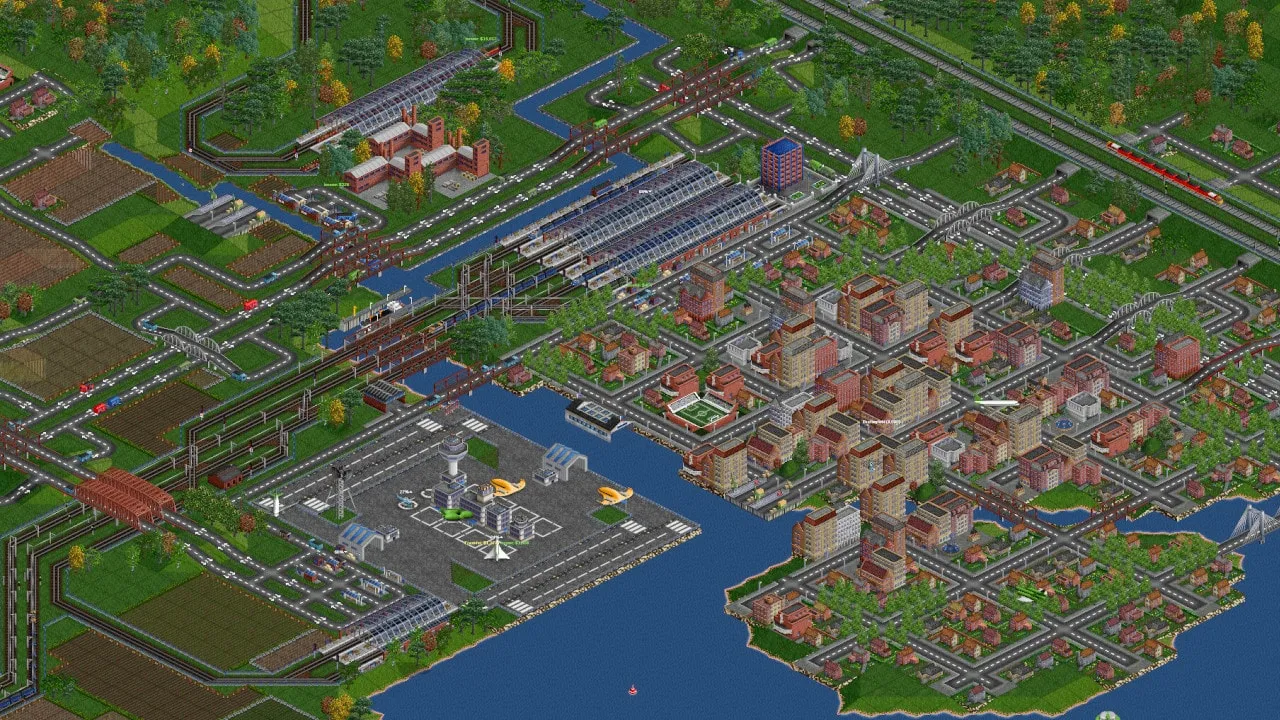
OpenTTD is the classic for a reason. It gives you industries, towns, passengers, cargo, vehicles, stations, tracks, signals, airports, ports, and enough freedom to build elegant networks or hilarious mistakes. The graphics are humble. The systems are not.
Its greatest strength is openness. You can treat it as a train game, a business sim, a network design toy, or a long-form logistics sandbox. Once signals and junctions start to click, it becomes a lifetime game.
2. Transport Fever 2
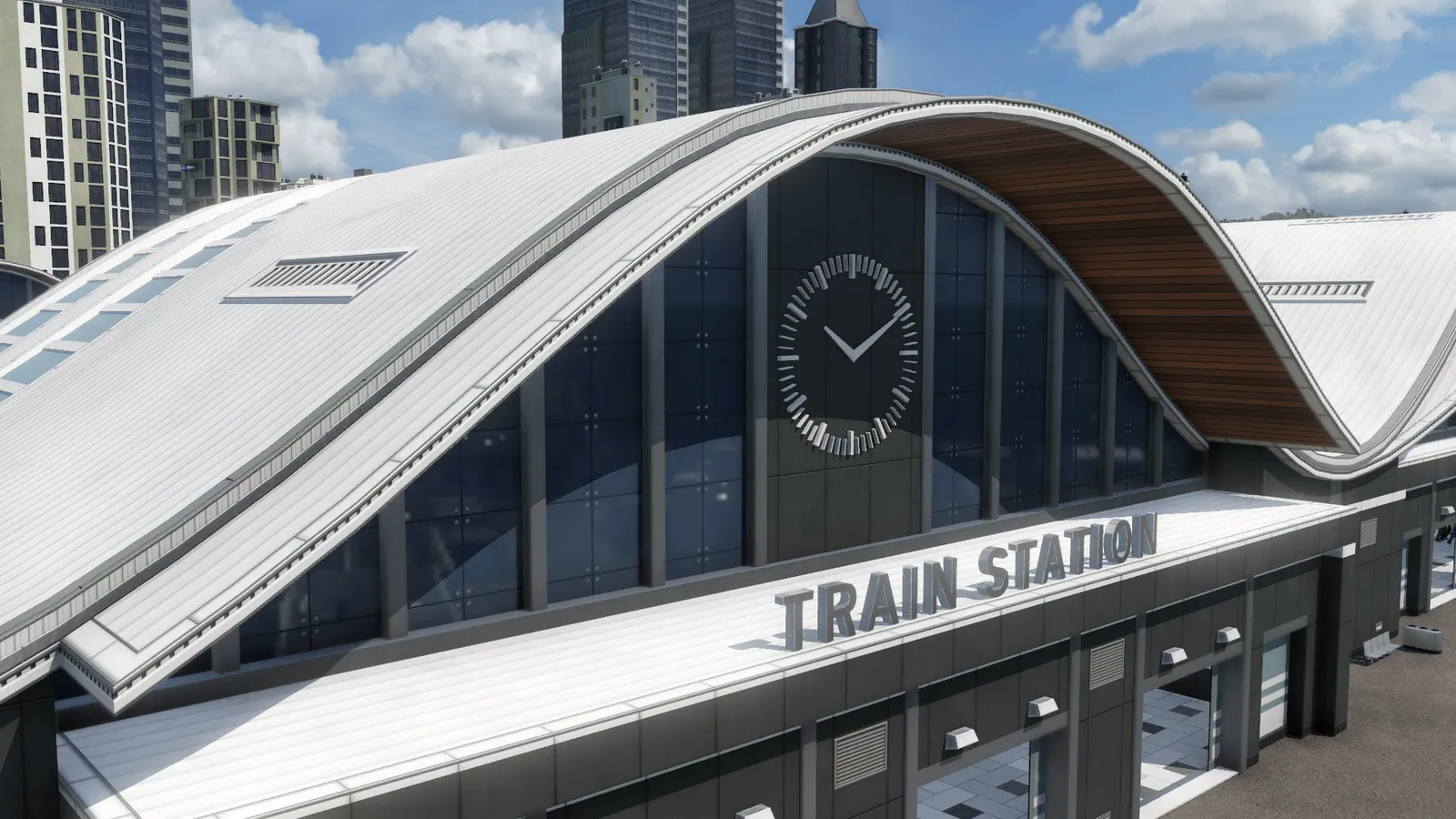
Transport Fever 2 is the best modern choice if you want transport logistics with a sense of place. Rail, road, air, and sea networks evolve across eras, and the satisfaction comes from watching cities respond to the services you build.
It is less abstract than OpenTTD and more cinematic. Routes have visual weight. Stations feel like infrastructure. A working network looks like a model world slowly becoming believable.
3. Rail Route
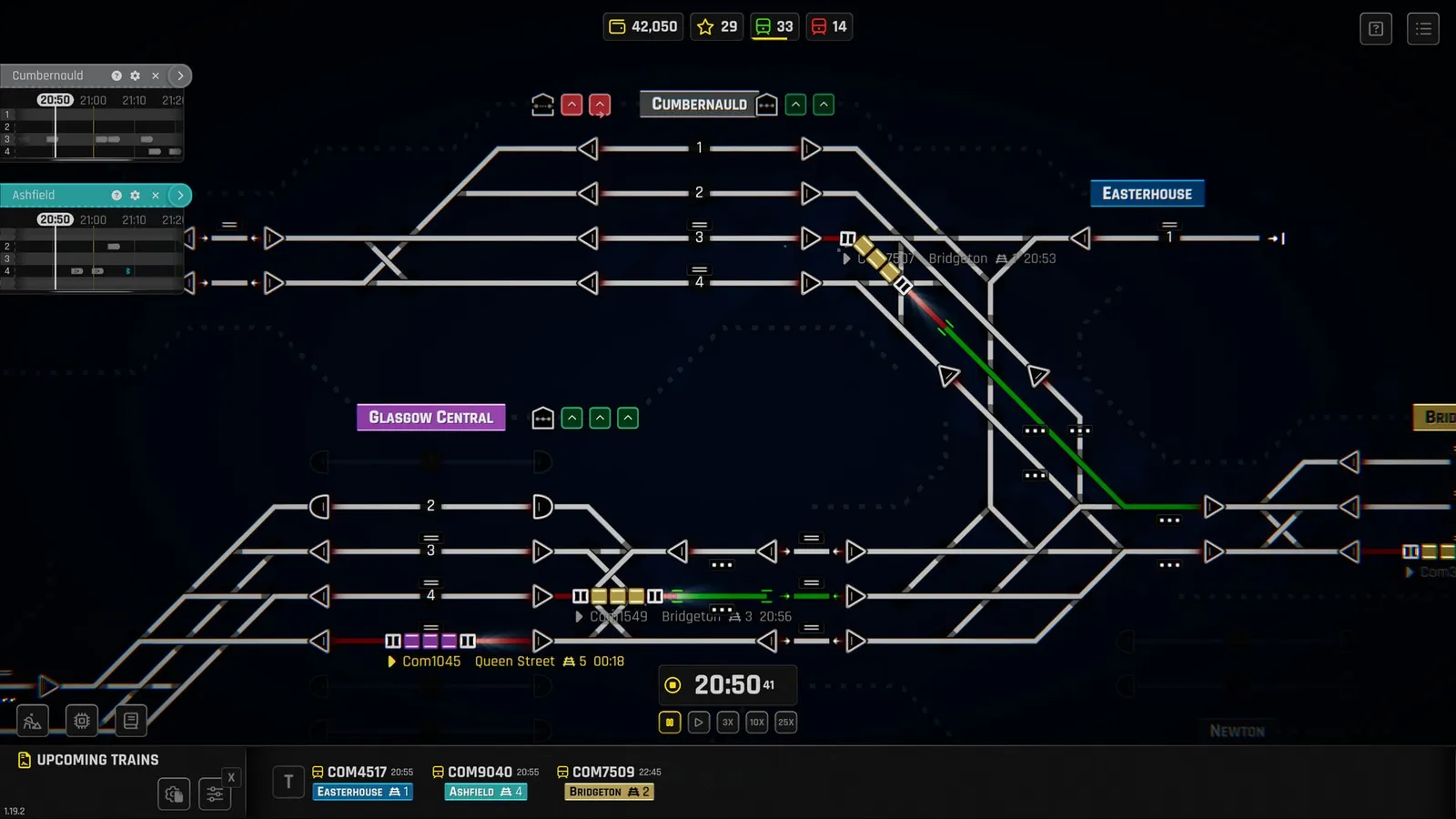
Rail Route narrows logistics down to dispatching. You are not just laying track and walking away. You manage signals, routes, contracts, station capacity, and automation as more trains enter the network.
That focus makes it unusually satisfying for players who like control-room problems. The goal is not a pretty network. The goal is a network that keeps moving.
4. Mini Metro
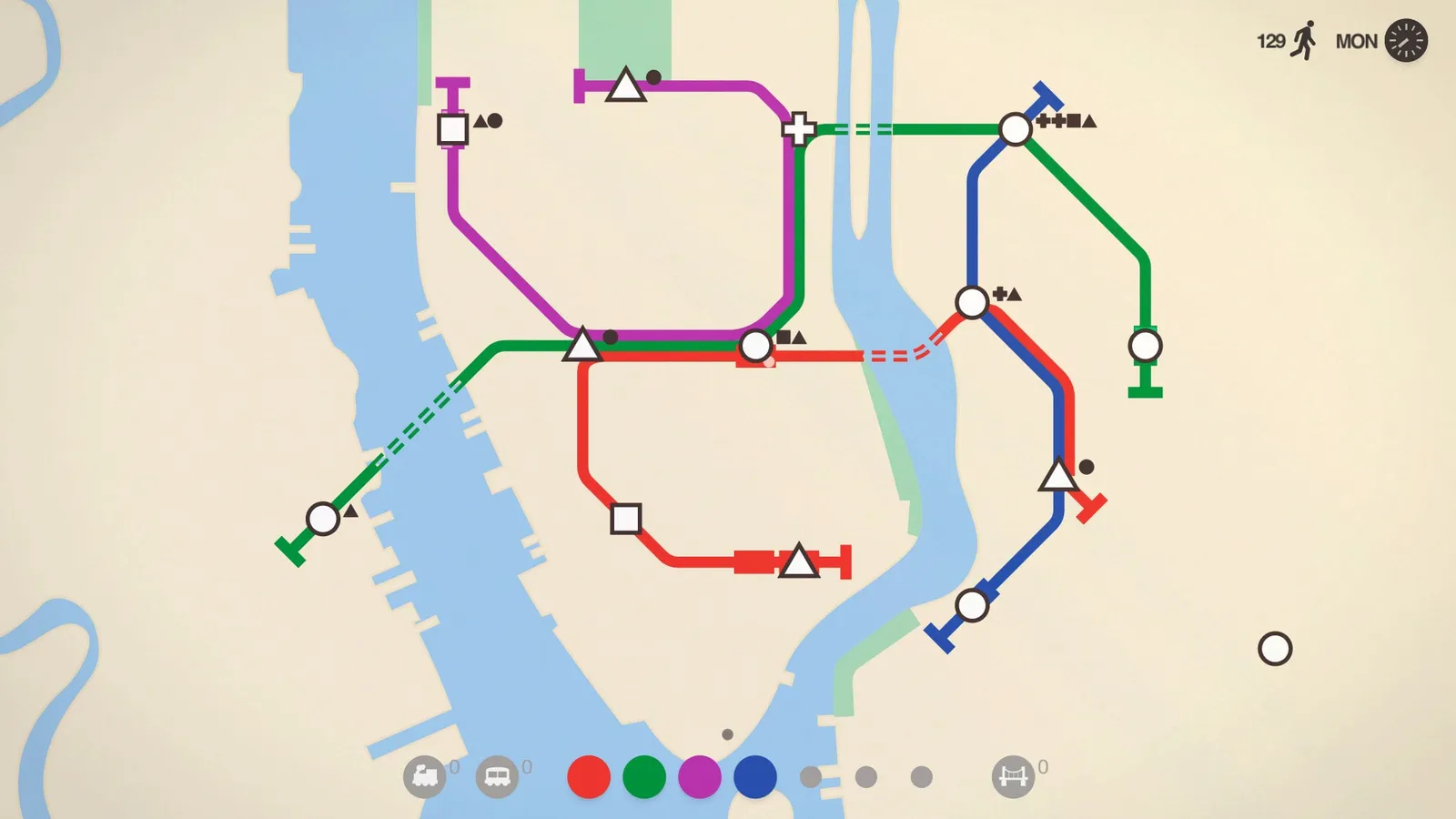
Mini Metro is tiny compared with the rest of this list, but it understands logistics perfectly. Stations appear. Passengers wait. Lines stretch. Tunnels and trains are limited. Your elegant diagram becomes a stress test one circle at a time.
It is the fastest way to feel the core of logistics design: limited capacity, rising demand, and the pain of one bad connection.
5. InfraSpace
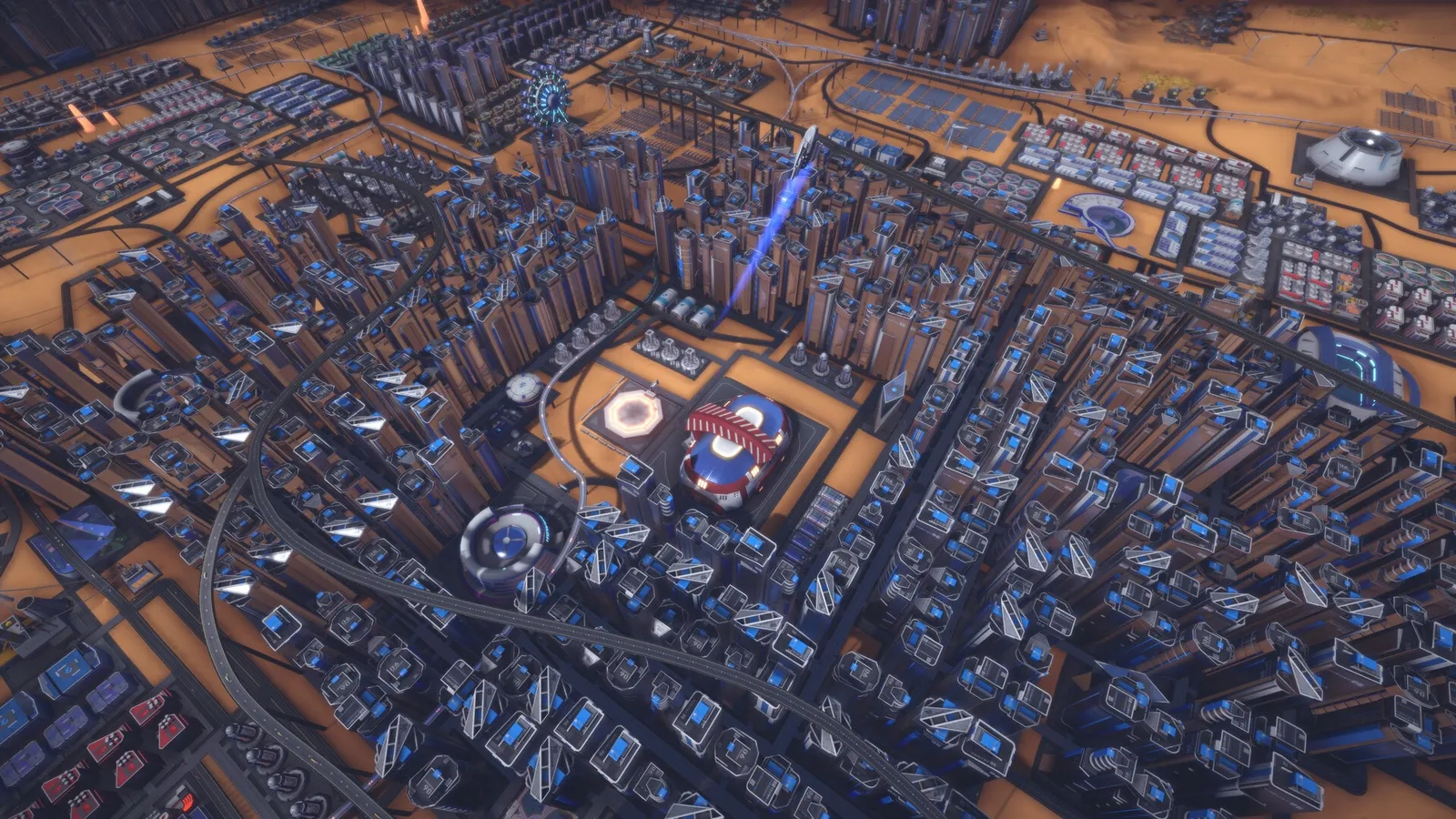
InfraSpace is a city builder with a supply-chain skeleton. Roads do not simply connect neighborhoods; they move the inputs that let industry, population, and science grow. Congestion is not cosmetic. It is a production problem.
That makes it one of the better picks for factory players who want logistics to spill into urban planning. The question is not only what to produce, but whether the city can actually move it.
6. RAILGRADE
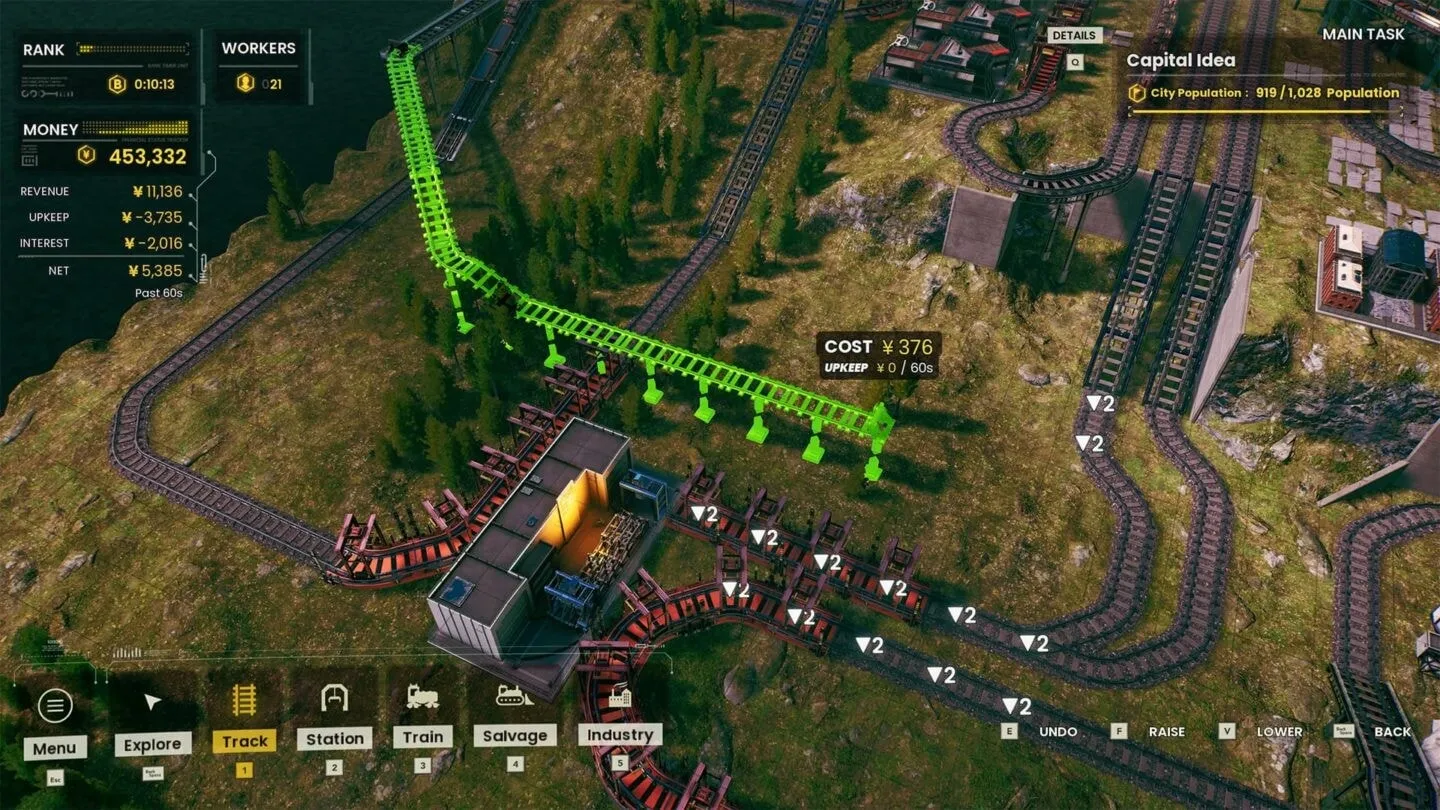
RAILGRADE is tighter and more mission-driven than the open transport sandboxes. Each map asks you to rebuild industrial flow with rails, stations, trains, and production demand. That structure gives the logistics a useful focus: you know what success looks like, and every inefficient route gets in the way.
It is a strong recommendation if you like factory throughput but want trains to be the main tool rather than a late-game convenience.
More logistics games to consider
Train Valley 2 is excellent for compact railway production puzzles. Voxel Tycoon combines industry, transport, and voxel-world expansion. Workers & Resources: Soviet Republic is a dense infrastructure and economy simulation. Rise of Industry focuses on factories, trade routes, city demand, and transport costs.
Factory logistics picks
If you want logistics inside a factory rather than across a transport map, choose Factorio for trains and belts, Captain of Industry for heavy industrial dependency, or Dyson Sphere Program for interplanetary shipping.
For the full library, browse the catalog and filter by Logistics, Trains, Transportation, Supply Chain, or Factory.